
 简体中文
简体中文

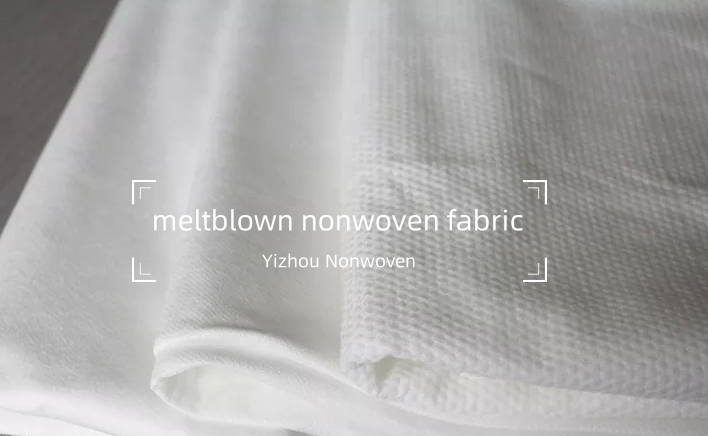
What is melt blown non woven fabric?
Melt-blown nonwoven fabric is a type of nonwoven material made from thermoplastic polymer fibers. It is produced by melting and extruding the polymer through small nozzles to form a web of very fine fibers. These fibers are then laid down in a random pattern and bonded together through a combination of heat, pressure, and/or chemical treatment. The resulting material has a high degree of filtration efficiency, making it suitable for use in a wide range of applications such as air and liquid filtration, medical masks and gowns, industrial wipes, and insulation.
Melt-blown nonwoven fabric is highly regarded for its ability to filter out microscopic particles and contaminants, as its fibers have a very small diameter (typically in the range of 0.5 to 10 microns) which allows for a high surface area-to-volume ratio.
What is melt blown fabric made of?
Melt blown fabric is made from thermoplastic polymers, most commonly polypropylene, which is melted and extruded through small nozzles to form a web of very fine fibers. Other thermoplastic polymers such as polyester, nylon, and polystyrene can also be used to make melt-blown fabric.
Polypropylene is a popular choice for making melt-blown fabric due to its low density, high surface area-to-volume ratio, and chemical resistance. The polymer is melted and extruded through a spinneret to form continuous filaments, which are then cooled and drawn to create a network of fine fibers. These fibers are typically in the range of 0.5 to 10 microns in diameter, with the majority of them being in the range of 2 to 5 microns. After the fibers are formed, they are collected on a moving conveyor belt or drum and pressed together using heat, pressure, and/or chemical treatment to form a cohesive sheet of melt-blown fabric.
Types of melt blown non woven fabric:
Melt-blown nonwoven fabric comes in different types, with varying characteristics and applications. Some of the most common types include:
2. Oil-absorbent melt-blown fabric: This type of fabric is designed to absorb oil and other hydrocarbons, making it useful for cleaning up oil spills and other environmental disasters.
3. Electret melt-blown fabric: This type of fabric is treated with an electrostatic charge to enhance its filtration efficiency. It is commonly used in air filtration systems, such as in HVAC systems, to capture small particles and pollutants.
4. Composite melt-blown fabric: This type of fabric is made by combining two or more layers of melt-blown fabric with other materials, such as spunbond nonwoven fabric or other types of fibers, to enhance its strength and durability. It is commonly used in the production of medical and surgical gowns, drapes, and other protective clothing.
5. Nanofiber melt-blown fabric: This type of fabric is made using nanofibers, which are ultrafine fibers with diameters in the range of 100 nanometers or less. Nanofiber melt-blown fabric has a higher filtration efficiency than standard melt-blown fabric, making it suitable for use in high-performance air and liquid filtration systems.
Melt blown non woven fabric applications:
Melt blown non woven fabric has a wide range of applications due to its unique properties and characteristics. Some of the most common applications of melt-blown nonwoven fabric include:
1. Air filtration: Melt-blown nonwoven fabric is commonly used as a filter medium in air filtration systems, including HVAC filters, vacuum cleaner bags, and face masks. Its high filtration efficiency and low pressure drop make it an ideal material for capturing small particles and pollutants in the air.
2. Liquid filtration: Melt-blown nonwoven fabric is also used in liquid filtration applications, including water and oil filters. Its high surface area-to-volume ratio and ability to capture small particles make it an effective material for removing contaminants from liquids.
3. Medical and hygiene products: Melt-blown nonwoven fabric is used in a variety of medical and hygiene products, including surgical masks, medical gowns, and medical wipes. Its high filtration efficiency and ability to block liquids make it an effective barrier against pathogens and other contaminants.
4. Insulation: Melt-blown nonwoven fabric is used in insulation applications, including building insulation and soundproofing. Its fine fibers and high surface area-to-volume ratio make it an effective thermal insulator and sound absorber.
5. Packaging: Melt-blown nonwoven fabric is used in packaging applications, including food packaging and protective packaging for fragile items. Its strength, durability, and ability to block liquids make it an effective barrier against moisture and other contaminants.
Advantages of meltblown non woven fabric:
Melt blown nonwoven fabric has several advantages over other types of nonwoven fabrics and traditional woven fabrics. Some of the key advantages include:
1. High filtration efficiency: Melt-blown nonwoven fabric has a high degree of filtration efficiency, making it suitable for use in air and liquid filtration applications. The fine fibers in the fabric create a dense mesh that can capture small particles and contaminants.
2. Low pressure drop: Melt-blown nonwoven fabric has a low pressure drop, meaning that air or liquid can pass through the material with minimal resistance. This is important in filtration applications where a high flow rate is required.
3. Lightweight: Melt-blown nonwoven fabric is lightweight, which makes it easy to handle and transport. This is especially important in applications where weight is a critical factor, such as in the production of medical masks and gowns.
4. Soft and flexible: Melt-blown nonwoven fabric is soft and flexible, which makes it comfortable to wear and use. This is important in applications where the fabric comes into contact with the skin, such as in medical masks and gowns.
5. Chemical resistance: Melt-blown nonwoven fabric is resistant to a wide range of chemicals, making it suitable for use in harsh environments.
Disdvantages of meltblown non woven fabric:
While melt-blown nonwoven fabric has many advantages, there are also some potential disadvantages that should be considered. Some of the key disadvantages include:
1. Higher cost: Melt-blown nonwoven fabric is more expensive to produce compared to other types of nonwoven fabrics and traditional woven fabrics. This is because it requires specialized equipment and materials to produce the fine fibers.
2. Limited durability: Melt-blown nonwoven fabric may have limited durability compared to other types of fabrics, especially in applications where it is exposed to harsh environments or mechanical stress. However, the durability of the fabric can be improved by combining it with other materials, such as spunbond nonwoven fabric.
3. Limited availability: Melt-blown nonwoven fabric may be in short supply during times of high demand, such as during a pandemic when there is increased demand for medical masks and other protective equipment.
4. Flammable: Melt-blown nonwoven fabric can be flammable, which may be a concern in some applications. However, flame retardant additives can be added to the fabric to improve its fire resistance.
Meltblown non woven fabric supplier - Yizhou Nonwoven
Yizhou Nonwoven is a senior meltblown nonwoven fabric supplier that specializes in producing and supplying meltblown nonwoven fabrics to various industries and customers. We have the equipment, technology, and expertise to manufacture high-quality meltblown fabrics with consistent properties and characteristics. We offer a range of different products, including fabrics with varying filtration efficiencies, thicknesses, and widths. They may also offer customized products to meet the specific needs and requirements of their customers. Contact Yizhou Nonwoven to get the best price of melt-blown non woven fabric.


