
 简体中文
简体中文

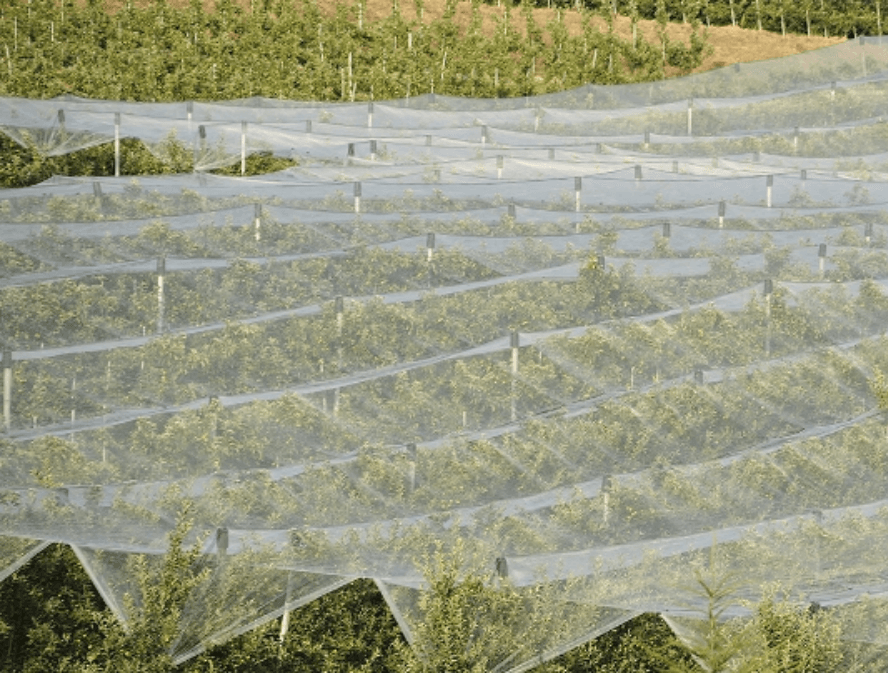
In the realm of agriculture, where innovation meets tradition, nonwoven fabric emerges as a transformative tool, revolutionizing the way crops are grown and managed. This exploration delves into the multifaceted applications of nonwoven fabric in agriculture, shedding light on the product-related details that make it an indispensable resource for farmers worldwide. At the forefront of this narrative is Yizhou, a leading nonwoven fabric manufacturer based in China, renowned for its commitment to excellence and sustainability in agricultural solutions.
Harnessing the Power of Nonwoven Fabric in Agriculture:
1. Crop Protection and Weed Control:
Nonwoven fabric serves as a formidable barrier against weeds, helping farmers minimize the use of chemical herbicides and pesticides. By blocking sunlight and preventing weed growth, nonwoven fabric ensures that crops have access to essential nutrients and water, leading to healthier plants and increased yields.
2. Moisture Retention and Soil Erosion Prevention:
Nonwoven fabric acts as a protective layer over the soil, reducing moisture evaporation and preventing soil erosion. This is particularly beneficial in arid regions or areas prone to heavy rainfall, where maintaining soil moisture levels and preventing runoff are critical for crop health and sustainability.
3. Temperature Regulation and Season Extension:
Nonwoven fabric provides insulation against temperature extremes, helping to regulate soil temperature and create a favorable microclimate for plant growth. This enables farmers to extend the growing season, protect sensitive crops from frost damage, and optimize cultivation practices for maximum productivity.
4. Pest Management and Disease Control:
Nonwoven fabric acts as a physical barrier against pests and pathogens, reducing the risk of infestation and disease transmission. By creating a protective environment around crops, nonwoven fabric minimizes the need for chemical interventions, promoting ecological balance and reducing environmental impact.
Nonwoven Fabric Products for Agricultural Applications:
1. Mulch Mats and Ground Covers:
Nonwoven fabric mulch mats and ground covers are used to suppress weed growth, retain soil moisture, and protect plants from environmental stressors. Yizhou offers a range of nonwoven fabric products tailored to specific crop types and cultivation practices, ensuring optimal performance and efficiency.
2. Frost Protection Blankets:
Nonwoven fabric frost protection blankets provide insulation against cold temperatures, protecting sensitive crops during the early and late growing seasons. Yizhou's frost protection blankets are designed to withstand harsh weather conditions while allowing air and moisture to circulate freely, ensuring optimal plant health and vitality.
3. Row Covers and Crop Netting:
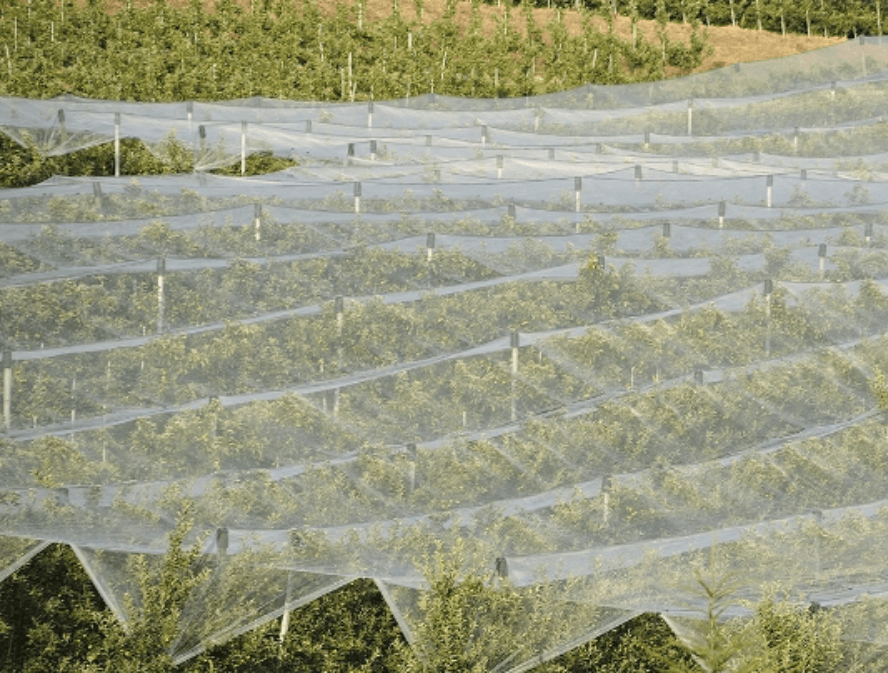
Nonwoven fabric row covers and crop netting are used to create enclosed growing environments that shield plants from pests, birds, and adverse weather conditions. Yizhou's row covers and crop netting are lightweight, durable, and easy to install, making them ideal for both small-scale and commercial agricultural operations.
4. Biodegradable Mulches and Soil Amendments:
Nonwoven fabric biodegradable mulches and soil amendments offer an eco-friendly alternative to traditional plastic mulches. Made from natural fibers or biodegradable polymers, these products break down over time, enriching the soil and reducing waste accumulation. Yizhou's biodegradable mulches and soil amendments are designed to promote soil health and sustainability while enhancing crop performance.
Yizhou's Commitment to Sustainable Agriculture:
1. Environmentally Friendly Materials and Manufacturing Practices:
Yizhou is committed to using environmentally friendly materials and manufacturing practices in its agricultural products. The company prioritizes the use of recycled and biodegradable materials, minimizing waste and reducing carbon footprint throughout the production process.
2. Research and Development of Eco-Friendly Solutions:
Yizhou invests in research and development initiatives to develop innovative eco-friendly solutions for sustainable agriculture. The company collaborates with agricultural experts and industry partners to explore new materials, technologies, and cultivation techniques that promote soil health, biodiversity, and resource conservation.
3. Community Engagement and Education:
Yizhou actively engages with local communities and agricultural organizations to promote sustainable farming practices and environmental stewardship. The company provides educational resources, training programs, and outreach initiatives to empower farmers with the knowledge and tools needed to adopt eco-friendly agricultural methods.
The Future of Nonwoven Fabric in Agriculture:
1. Advancements in Material Science and Technology:
The future of nonwoven fabric in agriculture holds exciting possibilities, driven by advancements in material science and technology. Yizhou is at the forefront of innovation, exploring new fibers, coatings, and production techniques that enhance the performance, durability, and sustainability of nonwoven fabric products for agricultural applications.
2. Integration of Smart Farming Technologies:
Nonwoven fabric is poised to play a key role in the integration of smart farming technologies, enabling precision agriculture and data-driven decision-making. Yizhou is exploring the use of sensors, drones, and IoT devices to monitor soil conditions, crop health, and environmental parameters, providing farmers with real-time insights and actionable intelligence.
3. Global Expansion and Accessibility:
Yizhou's global expansion efforts are set to make nonwoven fabric products more accessible and affordable to farmers worldwide. By establishing strategic partnerships and distribution channels, Yizhou aims to address the unique needs and challenges of agricultural communities around the globe, fostering sustainable development and food security.
Conclusion: Cultivating a Greener Future with Nonwoven Fabric
Nonwoven fabric is not just a material; it's a catalyst for change in the agricultural industry, enabling farmers to cultivate healthier crops, conserve natural resources, and protect the environment for future generations. With Yizhou leading the way, the future of nonwoven fabric in agriculture is bright, promising a greener, more sustainable future where innovation and tradition harmonize to feed the world. As we sow the seeds of progress, let us nurture the growth of sustainable agriculture with the versatile threads of nonwoven fabric, weaving a brighter tomorrow for farmers, communities, and ecosystems alike.


