
 简体中文
简体中文

In the realm of civil engineering and construction, geotextile fabrics play a crucial role in soil stabilization, erosion control, and drainage management. Among the diverse array of geotextile fabrics available, woven and nonwoven varieties stand out as popular choices, each offering unique properties and benefits. In this comprehensive guide, we'll delve into the distinctions between woven and nonwoven geotextile fabrics, exploring their structures, applications, and advantages. Additionally, we'll examine the expertise of Guangdong Yizhou Advanced Materials Technology Co., Ltd (Yizhou), a renowned manufacturer specializing in spunmelt nonwovens, and how their contributions shape the geotextile fabric landscape.
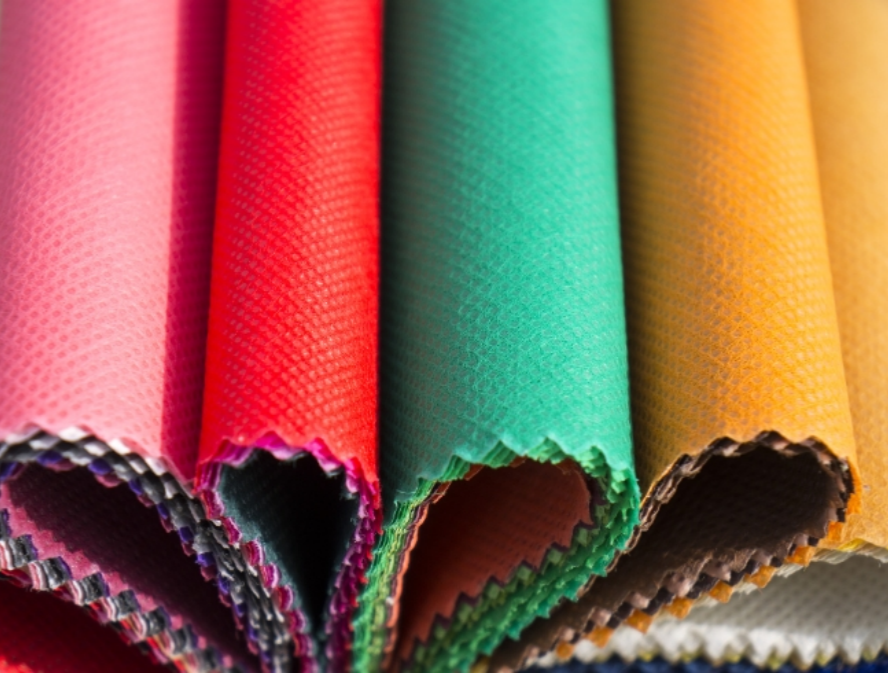
Understanding Woven Geotextile Fabrics:
Woven geotextile fabrics are crafted through the interlacing of two sets of yarns—warp and weft—using traditional weaving techniques. This weaving process results in a fabric with distinct patterns and a stable, structured texture. Woven geotextiles are known for their high tensile strength, durability, and resistance to punctures and abrasion. These fabrics provide excellent filtration and stabilization properties, making them ideal for applications such as road construction, embankment reinforcement, and erosion control.
Characteristics of Woven Geotextile Fabrics:
High Tensile Strength: Woven geotextile fabrics exhibit exceptional tensile strength, enabling them to withstand heavy loads and stresses.
Structured Texture: The weaving process imparts a structured texture to woven geotextiles, providing stability and support in soil stabilization applications.
Resistant to Punctures and Abrasion: Woven geotextile fabrics are highly resistant to punctures and abrasion, ensuring long-term durability and performance.
Excellent Filtration Properties: Woven geotextiles offer superior filtration capabilities, allowing water to pass through while retaining soil particles and preventing clogging.
Suitable for High-Load Applications: Due to their robust construction, woven geotextile fabrics are well-suited for applications requiring high-load bearing capacity, such as road construction and embankment reinforcement.
Applications of Woven Geotextile Fabrics:
Road Construction: Woven geotextiles are commonly used in road construction projects to separate aggregates, reinforce soil, and prevent the mixing of subgrade materials.
Embankment Reinforcement: Woven geotextile fabrics provide stability and support in embankment reinforcement applications, preventing soil erosion and slope failure.
Erosion Control: Woven geotextiles are utilized in erosion control applications along shorelines, riverbanks, and slopes, providing protection against soil loss and sedimentation.
Landfill Liners: In landfill construction, woven geotextile fabrics serve as liners to contain waste materials and prevent leachate seepage into the surrounding environment.
Exploring Nonwoven Geotextile Fabrics:
Nonwoven geotextile fabrics, in contrast to their woven counterparts, are manufactured through mechanical or thermal bonding of synthetic fibers. This nonwoven manufacturing process results in a fabric with a random fiber orientation and a porous, breathable texture. Nonwoven geotextiles offer excellent filtration, drainage, and separation properties, making them suitable for applications such as subsurface drainage, soil reinforcement, and landscaping.
Characteristics of Nonwoven Geotextile Fabrics:
Porous and Breathable: Nonwoven geotextile fabrics exhibit excellent porosity and breathability, allowing water to pass through while retaining soil particles.
Random Fiber Orientation: The nonwoven manufacturing process results in a fabric with a random fiber orientation, providing isotropic strength and performance.
Flexible and Conformable: Nonwoven geotextiles are flexible and conformable, adapting to irregular surfaces and contours in soil reinforcement and landscaping applications.
High Filtration Efficiency: Nonwoven geotextile fabrics offer high filtration efficiency, capturing fine particles and preventing soil erosion while allowing water to drain freely.
Lightweight and Easy to Install: Due to their lightweight nature, nonwoven geotextile fabrics are easy to handle and install, reducing labor and installation costs.
Applications of Nonwoven Geotextile Fabrics:
Subsurface Drainage: Nonwoven geotextiles are utilized in subsurface drainage systems to facilitate the rapid removal of excess water from soil, preventing saturation and soil instability.
Soil Reinforcement: Nonwoven geotextile fabrics provide reinforcement in soil stabilization applications, such as retaining walls, embankments, and slopes, enhancing stability and load-bearing capacity.
Landscaping: In landscaping projects, nonwoven geotextiles are used as weed barriers, erosion control mats, and separation layers between soil and aggregates, enhancing the aesthetic appeal and longevity of outdoor spaces.
Underlayment: Nonwoven geotextiles serve as underlayment materials in paved and unpaved surfaces, providing separation, filtration, and cushioning properties to improve pavement performance and longevity.
Yizhou's Expertise in Nonwoven Geotextile Fabrics:
Established in 2009, Yizhou Advanced Materials Technology Co., Ltd has garnered a reputation as a leading manufacturer specializing in spunmelt nonwovens, with a focus on the medical and hygiene fields. Despite its specialization, Yizhou's expertise extends to the realm of geotextile fabrics, where its innovative technologies and commitment to quality have made a significant impact.
Yizhou's state-of-the-art production facilities, including multiple SSSS and SMMXSS production lines, AS/AR treatment production lines, and a 10,000-level Standardization Laboratory, underscore its dedication to excellence and precision. With an annual capacity of 50,000 tons, Yizhou is well-equipped to meet the growing demand for geotextile fabrics, both domestically and internationally.
Furthermore, Yizhou's emphasis on sustainable development aligns with the environmental considerations inherent in geotextile fabric applications. By adopting green manufacturing practices and eco-friendly materials, Yizhou ensures that its geotextile fabrics meet stringent environmental standards while delivering optimal performance and longevity.
Conclusion: Making Informed Choices for Geotextile Fabric Applications
In conclusion, the choice between woven and nonwoven geotextile fabrics depends on various factors, including project requirements, site conditions, and performance expectations. Woven geotextiles excel in high-load applications requiring strength, stability, and durability, such as road construction and embankment reinforcement. Nonwoven geotextiles, on the other hand, offer versatility, flexibility, and drainage capabilities, making them ideal for subsurface drainage, soil reinforcement, and landscaping projects.
As a leading manufacturer in the nonwoven fabric industry, Yizhou's expertise extends to geotextile fabrics, where their commitment to quality, innovation, and sustainability shines through. By leveraging advanced technologies, state-of-the-art facilities, and a dedication to green development, Yizhou delivers geotextile fabrics of exceptional quality and performance.
When selecting between woven and nonwoven geotextile fabrics, it's essential to consider the specific requirements of the project, including soil conditions, drainage needs, and load-bearing capacity. Woven geotextiles offer superior strength and stability, making them suitable for applications where durability and longevity are paramount. Nonwoven geotextiles, on the other hand, provide excellent drainage and filtration properties, ideal for projects requiring water management and soil stabilization.
By understanding the differences between woven and nonwoven geotextile fabrics and leveraging the expertise of manufacturers like Yizhou, engineers, contractors, and designers can make informed choices that optimize performance, durability, and sustainability in their projects.
In summary, woven and nonwoven geotextile fabrics each have their unique strengths and applications. Woven fabrics offer superior strength and stability, making them ideal for high-load applications such as road construction and embankment reinforcement. Nonwoven fabrics, on the other hand, provide excellent drainage and filtration properties, making them suitable for subsurface drainage, soil stabilization, and landscaping projects.
As a leading manufacturer in the nonwoven fabric industry, Yizhou's expertise and commitment to quality ensure that their geotextile fabrics meet the highest standards of performance, durability, and sustainability. By understanding the distinct characteristics of woven and nonwoven geotextile fabrics and leveraging the expertise of manufacturers like Yizhou, engineers, contractors, and designers can select the most suitable materials for their projects, ensuring optimal performance and longevity.
With Yizhou's advanced technologies, state-of-the-art facilities, and dedication to sustainable development, the future of geotextile fabrics looks promising, paving the way for safer, more resilient infrastructure and environmental conservation.


