
 简体中文
简体中文

Frost poses a significant threat to plants, particularly in regions with unpredictable weather patterns. Frost protection is essential to prevent damage to plants, which can result in reduced growth, yield, or even death. Various methods exist to protect plants from frost, with commercial frost blankets being one of the most effective options. This article explores the effectiveness of commercial frost blankets, their key features, benefits, and practical tips for use, comparing them with alternative methods.
Understanding Frost and Its Impact on Plants
Frost occurs when temperatures drop below the freezing point of water, causing ice to form on plant surfaces. This can damage plant cells, disrupt metabolic processes, and lead to tissue damage. Frost can affect various parts of the plant, including leaves, stems, and flowers, potentially resulting in stunted growth or plant death. Effective frost protection is crucial for maintaining plant health, especially during vulnerable periods like early spring and late fall.
What Are Commercial Frost Blankets?
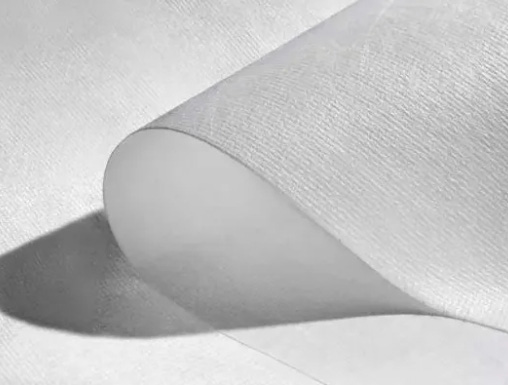
Commercial frost blankets, also known as horticultural fleece or frost cloth, are specialized coverings designed to protect plants from frost. They are typically made from non-woven polypropylene, a material that provides insulation while allowing air and moisture to pass through. These blankets are available in different thicknesses and sizes to suit various agricultural and gardening needs. By creating a microclimate around the plants, frost blankets help maintain a stable temperature and reduce the risk of frost damage.
Key Features of Commercial Frost Blankets
1. Insulation Properties
Frost blankets provide thermal insulation by trapping heat from the ground and minimizing heat loss. The effectiveness of insulation depends on the material and thickness of the blanket. Thicker blankets offer better protection against severe frost but may reduce light transmission. High-quality frost blankets can raise the temperature around plants by several degrees, significantly reducing the risk of frost damage.
2. Breathability
Breathability is a crucial feature of frost blankets, allowing air and moisture to circulate. This prevents condensation and reduces the risk of fungal diseases. Non-woven polypropylene is breathable, ensuring that plants receive adequate air and moisture while being protected from frost.
3. Durability and UV Resistance
Commercial frost blankets are designed to withstand outdoor conditions. They are UV-stabilized, meaning they are resistant to degradation from sunlight exposure. This durability ensures that the blankets can be reused for multiple seasons, providing long-term protection for plants.
4. Ease of Use
Frost blankets are user-friendly and easy to install. They can be draped directly over plants or supported with stakes or hoops to create a tent-like structure. Frost blankets are lightweight, making them easy to handle and store when not in use. They are also available in various sizes, allowing for customization based on the size and type of plants being protected.
Benefits of Using Commercial Frost Blankets
1. Frost Protection
Commercial frost blankets are highly effective in protecting plants from frost. They create a microclimate that maintains a stable temperature, reducing the risk of frost damage. Studies have shown that using frost blankets can improve plant survival rates and yield during frost events.
2. Extending Growing Season
Frost blankets can extend the growing season by protecting plants during early spring and late fall. This allows gardeners and farmers to start planting earlier and harvest later, maximizing the growing period and increasing crop yield.
3. Cost-Effectiveness
Although there is an initial investment in purchasing frost blankets, they are cost-effective in the long run. Their durability and reusability reduce the need for frequent replacements. Additionally, by preventing frost damage, frost blankets save the cost of replacing damaged plants and lost yield.
4. Versatility
Frost blankets are versatile and can be used for various types of plants, including vegetables, fruits, flowers, and shrubs. They can be adapted to different agricultural setups, from small home gardens to large commercial farms. Their flexibility makes them suitable for protecting a wide range of plant species.
Comparing Commercial Frost Blankets to Alternative Methods
1. Bed Sheets and Household Fabrics
Bed sheets and household fabrics are commonly used as makeshift frost covers due to their availability and low cost. However, they offer limited insulation and are not as durable as commercial frost blankets. Bed sheets can tear easily in strong winds and may not provide sufficient protection during severe frost events.
2. Tarps and Plastic Covers
Tarps and plastic covers are durable and waterproof, offering substantial protection against frost. However, they lack breathability, leading to moisture buildup and potential plant diseases. Plastic covers can also cause overheating during sunny days, requiring careful management to prevent plant damage.
3. DIY Methods
DIY frost protection methods, such as using mulch or creating windbreaks, can provide some level of frost protection. However, these methods are generally less effective than commercial frost blankets. They may not offer consistent insulation and can be labor-intensive to implement and maintain.
Practical Tips for Using Commercial Frost Blankets
1. Proper Installation Techniques
To install frost blankets effectively, drape them over the plants and secure the edges to the ground using rocks, stakes, or soil. Ensure that the blanket covers the entire plant, including the base, to trap heat effectively. For larger plants, use stakes or hoops to create a tent-like structure that keeps the blanket off the foliage, preventing direct contact and potential damage.
2. Maintenance and Storage
After use, clean the frost blankets by removing any debris or soil. Store them in a dry, cool place away from direct sunlight to prevent UV damage. Proper maintenance and storage will extend the lifespan of the blankets, allowing for repeated use over multiple seasons.
3. Maximizing Effectiveness
To maximize the effectiveness of frost blankets, monitor weather forecasts and apply the blankets before frost is expected. Remove the blankets during the day if temperatures rise above freezing to allow plants to receive sunlight and prevent overheating. Regularly check the blankets for tears or damage and repair them promptly to maintain their protective qualities.
Conclusion
Commercial frost blankets are a reliable and effective solution for protecting plants from frost. Their insulation properties, breathability, durability, and ease of use make them a valuable tool for both home gardeners and commercial farmers. By providing consistent protection and extending the growing season, frost blankets offer long-term cost benefits and versatility. While alternative methods can provide some level of frost protection, commercial frost blankets offer superior performance and convenience. Investing in high-quality frost blankets is a worthwhile consideration for anyone looking to safeguard their plants from frost damage.
Yizhou agriculture non-woven fabric is a versatile and effective solution for protecting plants and crops from frost. For more information on Yizhou agriculture non-woven fabric and to purchase, visit Yizhou Nonwoven Fabric Products.


