
 简体中文
简体中文

In the realm of textiles, nonwoven fabric production stands as a fascinating process that gives rise to a myriad of versatile products. From the soft touch of disposable wipes to the structural integrity of automotive interiors, nonwoven fabrics play a pivotal role in various industries. This exploration delves into the intricacies of nonwoven fabric production, shedding light on the diverse range of products that emerge from this fascinating process. At the heart of this narrative is Yizhou, a leading nonwoven fabric manufacturer based in China, renowned for its commitment to excellence and innovation in production.
The Art of Nonwoven Fabric Production:
1. Innovative Manufacturing Techniques:
Nonwoven fabric production involves a departure from traditional weaving or knitting methods. Instead, innovative techniques such as spunbonding, meltblowing, or needle punching are employed to create a web of fibers that are mechanically, chemically, or thermally bonded together. This results in a fabric with unique properties and characteristics, tailored to specific applications.
2. Raw Material Selection and Preparation:
The production process begins with the careful selection and preparation of raw materials. Synthetic polymers such as polypropylene, polyester, or polyethylene are commonly used due to their versatility and performance attributes. These polymers are melted, extruded, and spun into fine fibers, which form the basis of the nonwoven fabric.
3. Formation of the Nonwoven Web:
Once the fibers are extruded, they are laid down onto a moving conveyor belt or drum, forming a loose web. The arrangement of fibers can be controlled to achieve desired properties such as thickness, density, and strength. Various techniques, including air-laying, spunbonding, or carding, are utilized to create the nonwoven web.
4. Bonding and Finishing Processes:
Bonding is a critical step in nonwoven fabric production, where the loose web of fibers is transformed into a cohesive fabric. Mechanical bonding involves needle punching or hydroentanglement, where barbed needles or high-pressure water jets are used to interlock the fibers. Chemical bonding utilizes adhesives or bonding agents to secure the fibers together, while thermal bonding employs heat and pressure to melt and fuse the fibers.
Diverse Offerings of Nonwoven Fabric Products:
1. Spunbond Nonwoven Fabrics:
Spunbond nonwoven fabrics are known for their strength, durability, and uniformity. They find applications in a wide range of industries, including hygiene products, medical textiles, agriculture, and construction. Yizhou's expertise in spunbond nonwoven fabric production ensures that its products meet the highest standards of quality and performance.
2. Meltblown Nonwoven Fabrics:
Meltblown nonwoven fabrics are characterized by their fine fibers and high filtration efficiency. They are commonly used in medical face masks, surgical gowns, industrial filters, and oil absorbents. Yizhou's state-of-the-art meltblown production lines enable the manufacture of high-quality fabrics that meet the stringent requirements of various applications.
3. Needle-Punched Nonwoven Fabrics:
Needle-punched nonwoven fabrics are engineered for strength, durability, and dimensional stability. They are used in automotive interiors, geotextiles, filtration media, and industrial wipes. Yizhou's needle-punched nonwoven fabrics offer superior performance and reliability, making them a preferred choice for demanding applications.
4. Spunlace Nonwoven Fabrics:
Spunlace nonwoven fabrics are valued for their softness, absorbency, and drapability. They are commonly used in personal care products, wipes, medical dressings, and cleaning cloths. Yizhou's advanced spunlace production technology ensures that its fabrics are gentle on the skin while providing exceptional performance and comfort.
5. Composite Nonwoven Fabrics:
Composite nonwoven fabrics combine multiple layers or types of fibers to achieve specific performance characteristics. They are used in applications such as laminates, roofing materials, packaging, and protective apparel. Yizhou's expertise in composite nonwoven fabric production allows for the creation of tailored solutions that meet the diverse needs of customers.
Yizhou's Nonwoven Fabric Production Excellence:
1. State-of-the-Art Manufacturing Facilities:
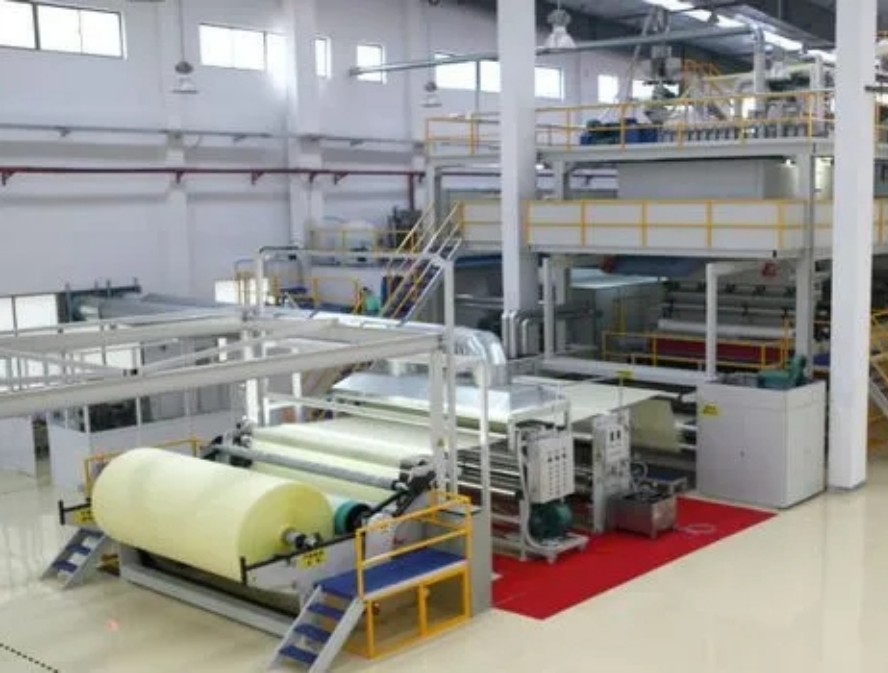
Yizhou's nonwoven fabric production facilities are equipped with state-of-the-art machinery and technology, allowing for precise control over the manufacturing process. From extrusion to bonding, every step is meticulously monitored to ensure the highest quality standards are met.
2. Research and Development Initiatives:
Yizhou's commitment to innovation is evident in its ongoing research and development initiatives. The company invests in exploring new materials, processes, and technologies to stay at the forefront of nonwoven fabric production. This dedication to innovation enables Yizhou to offer cutting-edge solutions that address evolving market demands.
3. Quality Assurance and Control:
Quality assurance is a top priority for Yizhou, and stringent measures are in place to maintain consistency and reliability in its nonwoven fabric production. Comprehensive testing procedures are conducted throughout the production process to ensure that products meet or exceed customer expectations.
The Future of Nonwoven Fabric Production:
1. Advancements in Sustainable Practices:
As sustainability becomes increasingly important, the future of nonwoven fabric production will see advancements in eco-friendly practices and materials. Yizhou is committed to reducing its environmental footprint through the adoption of sustainable manufacturing processes and the development of recyclable and biodegradable nonwoven fabrics.
2. Integration of Smart Technologies:
The integration of smart technologies such as IoT sensors and data analytics is poised to revolutionize nonwoven fabric production. These technologies will enable real-time monitoring of production processes, predictive maintenance, and optimization of resource usage, leading to increased efficiency and productivity.
3. Expansion into New Applications:
Nonwoven fabric production is expected to expand into new and emerging applications, driven by advancements in material science and technology. Yizhou is well-positioned to capitalize on these opportunities by leveraging its expertise and capabilities to develop innovative solutions for evolving market needs.
Conclusion: Weaving the Future of Nonwoven Fabric Production
Nonwoven fabric production is a complex and dynamic process that gives rise to a diverse range of products with wide-ranging applications. As an industry leader, Yizhou plays a pivotal role in shaping the future of nonwoven fabric production through its commitment to excellence, innovation, and sustainability. With state-of-the-art manufacturing facilities, ongoing research and development initiatives, and a dedication to quality assurance, Yizhou continues to push the boundaries of what is possible in nonwoven fabric production. As we look towards the future, the opportunities for innovation and growth in this field are boundless, and Yizhou is poised to lead the way in weaving the fabric of tomorrow's nonwoven industry landscape.


