
 简体中文
简体中文

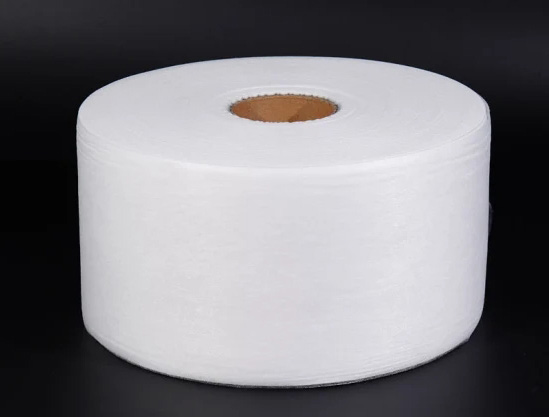
Non-woven polypropylene fabric is a versatile and widely used material in numerous industries, from medical and hygiene to agriculture and packaging. Its unique properties make it suitable for a variety of applications, and its availability in the market has made it an essential component for many products. In this article, we will explore what non-woven polypropylene fabric is, its uses, benefits, and considerations when buying it.
What is Non-Woven Polypropylene Fabric?
Non-woven polypropylene fabric is a synthetic textile made from polypropylene fibers that are bonded together using heat, chemicals, or mechanical means, rather than traditional weaving or knitting methods. This process creates a fabric that is lightweight, durable, and flexible. Unlike woven fabrics, which are made by interlacing fibers, non-woven fabrics are produced by laying fibers in a random pattern and then bonding them.
Characteristics of Non-Woven Polypropylene Fabric
1. Durability: Despite being lightweight, non-woven polypropylene fabric is known for its strength and durability. It can withstand wear and tear, making it suitable for various demanding applications.
2. Water Resistance: The fabric is naturally resistant to water, which makes it ideal for use in environments where moisture is a concern.
3. Breathability: Non-woven polypropylene fabric is breathable, allowing for air circulation while still providing a barrier against liquids and particles.
4. Low Cost: The manufacturing process of non-woven fabrics is generally more cost-effective compared to woven fabrics, making it a budget-friendly option for many applications.
5. Versatility: This fabric can be produced in different weights, thicknesses, and textures to suit various needs, from disposable items to durable products.
Uses of Non-Woven Polypropylene Fabric
Non-woven polypropylene fabric has a broad range of applications across different industries. Here are some common uses:
1. Medical and Hygiene Products: In the medical field, non-woven polypropylene is used in surgical masks, gowns, and drapes. Its breathability and resistance to liquids make it suitable for protecting both patients and healthcare workers. In hygiene products, it is used in diapers, sanitary napkins, and wipes due to its absorbency and softness.
2. Packaging: The fabric is used in the packaging industry for creating bags, pouches, and protective covers. Its durability and lightweight nature make it an excellent choice for packaging applications.
3. Agriculture: In agriculture, non-woven polypropylene fabric is used as mulch mats and weed barriers. It helps in controlling weeds, conserving soil moisture, and regulating soil temperature.
4. Construction: In the construction industry, non-woven polypropylene is used as a geotextile material for soil stabilization, erosion control, and drainage systems. It provides strength and filtration while allowing water to pass through.
5. Consumer Goods: Non-woven polypropylene fabric is used in various consumer goods, including reusable shopping bags, furniture covers, and tablecloths. Its versatility and customization options make it suitable for many everyday products.
Benefits of Non-Woven Polypropylene Fabric
Non-woven polypropylene fabric offers several advantages over traditional woven fabrics and other materials:
1. Cost-Effectiveness: The manufacturing process of non-woven fabrics is generally less expensive than that of woven fabrics, resulting in lower costs for the end product. This cost-effectiveness is particularly beneficial for disposable items and large-scale applications.
2. Customizability: Non-woven polypropylene fabric can be customized in terms of thickness, weight, color, and surface texture. This allows for a wide range of applications and specific needs to be met.
3. Environmental Impact: Non-woven polypropylene fabric is recyclable, which helps reduce its environmental impact. Many suppliers offer recycling programs to ensure that the fabric can be repurposed into new products.
4. Strength and Durability: Despite its lightweight nature, non-woven polypropylene fabric is strong and durable. It can withstand various stresses and strains, making it suitable for demanding applications.
How Does Non-Woven Polypropylene Fabric Compare to Woven Fabrics?
Non-woven polypropylene fabric differs from woven fabrics in several key ways:
1. Manufacturing Process: Non-woven fabrics are produced by bonding fibers together using heat, chemicals, or mechanical methods, while woven fabrics are made by interlacing threads. This results in different properties and applications for each type of fabric.
2. Properties: Non-woven polypropylene fabric typically offers better water resistance and breathability compared to woven fabrics. However, woven fabrics often provide more flexibility and can be stronger in certain applications due to their construction.
3. Cost: Non-woven polypropylene fabric is generally more cost-effective than woven fabrics. The simpler manufacturing process contributes to lower production costs, which can be advantageous for disposable and large-scale applications.
4. Customization: Non-woven fabrics can be easily customized in terms of weight, thickness, and texture, while woven fabrics may require more complex processes for customization.
Is Non-Woven Polypropylene Fabric Recyclable?
Yes, non-woven polypropylene fabric is recyclable. It can be processed and repurposed into new polypropylene products, reducing its environmental impact. However, the recycling process can vary depending on local facilities and practices. Some suppliers offer recycling programs or provide guidance on how to properly dispose of or recycle the fabric.
Steps to Recycle Non-Woven Polypropylene Fabric
1. Collection: Gather used or discarded non-woven polypropylene fabric for recycling. Ensure that it is clean and free from contaminants.
2. Sorting: Separate the fabric from other materials to streamline the recycling process.
3. Processing: The fabric is processed in recycling facilities where it is shredded, melted, and reformed into new polypropylene products.
4. Reuse: The recycled polypropylene can be used to create new non-woven fabrics or other products, contributing to a circular economy.
Factors to Consider When Buying Non-Woven Polypropylene Fabric
When purchasing non-woven polypropylene fabric, consider the following factors to ensure you select the right product for your needs:
1. Fabric Weight and Thickness: Different applications require different fabric weights and thicknesses. Ensure the fabric you choose meets the specific requirements of your application.
2. Color and Customization: Consider whether you need custom colors or specific textures. Many suppliers offer customization options to meet your needs.
3. Quality and Durability: Evaluate the quality of the fabric to ensure it is durable and suitable for your application. Look for suppliers who provide detailed product specifications and quality assurance.
4. Price and Budget: Compare prices from different suppliers to find a product that fits your budget. Keep in mind that lower prices may sometimes mean lower quality, so balance cost with quality.
5. Supplier Reputation: Choose a reputable supplier with a track record of delivering high-quality products and excellent customer service. Check reviews and ask for references if necessary.
How to Find a Reputable Supplier for Non-Woven Polypropylene Fabric
Finding a reliable supplier for non-woven polypropylene fabric involves several steps:
1. Research: Conduct thorough research to identify potential suppliers. Look for those with experience in the industry and a strong reputation for quality and service.
2. Request Samples: Before making a large purchase, request samples of the fabric to evaluate its quality and suitability for your application.
3. Check Certifications: Verify that the supplier’s products comply with relevant industry standards and certifications. This is especially important for applications in regulated industries.
4. Evaluate Customer Service: Assess the supplier’s customer service and support. A good supplier should be responsive, helpful, and willing to address any concerns or questions.
5. Compare Quotes: Obtain quotes from multiple suppliers to compare prices and terms. Consider factors such as shipping costs, minimum order quantities, and payment terms.
Common Industries Using Non-Woven Polypropylene Fabric
Non-woven polypropylene fabric is used in various industries, including:
1. Healthcare: For medical masks, gowns, and other protective gear.
2. Agriculture: For weed barriers, mulch mats, and soil stabilization.
3. Construction: For geotextiles, erosion control, and drainage systems.
4. Packaging: For reusable bags, pouches, and protective covers.
5. Consumer Goods: For shopping bags, furniture covers, and tablecloths.
Why choose Yizhou as your nonwoven fabric supplier?
Quality Assurance: Yizhou’s dedication to quality assurance highlights the importance of selecting suppliers who provide high-quality products. This principle applies to non-woven polypropylene fabric suppliers as well.
Customer Service: Yizhou’s focus on exceptional customer service underscores the value of responsive and supportive supplier relationships. When choosing a fabric supplier, ensure they offer good customer support and are willing to address your needs.
Innovation and Reliability: Yizhou’s innovative approaches and reliable delivery set a standard that can be beneficial across various sectors. Look for fabric suppliers who are innovative in their offerings and dependable in their delivery.
Conclusion
Non-woven polypropylene fabric is a versatile and cost-effective material used in a wide range of applications. Understanding its properties, benefits, and applications is crucial for making informed decisions when purchasing this fabric. Factors such as fabric weight, customization options, and supplier reputation play a significant role in selecting the right product for your needs.


