
 简体中文
简体中文

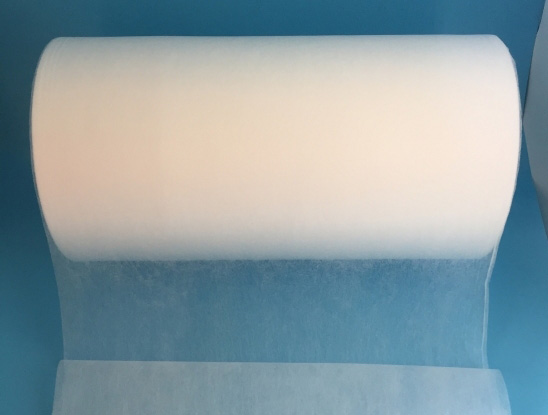
In the realm of advanced textiles, SSSS hydrophilic nonwoven materials stand out due to their unique properties and wide-ranging applications. These materials, characterized by their specific fiber arrangement and moisture-absorbing capabilities, are crucial in various industries, from medical to hygiene products. This article will provide a detailed exploration of SSSS hydrophilic nonwoven materials, addressing common questions, benefits, applications, and considerations for selecting the right supplier. We will also highlight the role of senior China nonwoven fabric supplier Yizhou in this field, showcasing how their expertise can be leveraged in finding quality materials.
What Are SSSS Hydrophilic Nonwoven Materials?
SSSS hydrophilic nonwoven materials refer to nonwoven fabrics with a Spunbond-Spunbond-Spunbond-Spunbond (SSSS) layer configuration. These materials are designed to be hydrophilic, meaning they attract and absorb moisture. The SSSS structure involves four layers of spunbonded fibers, which are bonded together through mechanical, thermal, or chemical processes.
Characteristics of SSSS Hydrophilic Nonwoven Materials
Hydrophilic Properties: The primary feature of these materials is their ability to attract and absorb moisture, making them suitable for applications where moisture management is crucial.
1. Layer Configuration: The SSSS configuration ensures a high degree of strength, durability, and absorbency by incorporating multiple layers of spunbonded fibers.
2. Softness and Comfort: These materials are engineered to be soft and comfortable, which is essential for applications like medical dressings and personal hygiene products.
3. Versatility: SSSS hydrophilic nonwoven materials can be customized in terms of weight, thickness, and color to suit various needs.
What Makes SSSS Hydrophilic Nonwoven Materials Unique?
The uniqueness of SSSS hydrophilic nonwoven materials lies in their construction and hydrophilic properties:
1. Spunbond Technology: The use of spunbond technology in the SSSS configuration provides a uniform and consistent fabric structure, which enhances the material's strength and performance.
2. Enhanced Absorbency: The multi-layered SSSS design allows for superior moisture absorption and retention, making these materials ideal for high-performance applications.
3. Durability and Comfort: The combination of multiple spunbond layers results in a durable yet soft fabric, which is important for applications that require both strength and comfort.
What Are the Main Applications of SSSS Hydrophilic Nonwoven Materials?
SSSS hydrophilic nonwoven materials are used in a variety of applications where moisture management, durability, and comfort are essential. Some of the main applications include:
1. Medical Products: These materials are widely used in medical applications, including surgical gowns, masks, and wound dressings. Their hydrophilic properties help manage moisture, reducing the risk of infection and enhancing patient comfort.
2. Hygiene Products: In personal hygiene products like diapers and sanitary napkins, SSSS hydrophilic nonwoven materials provide high absorbency and softness, ensuring comfort and effective moisture control.
3. Industrial Wipes: The absorbent nature of these materials makes them suitable for industrial wipes, where they are used to clean spills, absorb liquids, and maintain cleanliness.
4. Protective Covers: They are used in protective covers for various products, providing a barrier against moisture while being lightweight and durable.
How Does the Hydrophilic Property of SSSS Nonwoven Materials Benefit Users?
The hydrophilic property of SSSS nonwoven materials provides several benefits:
1. Effective Moisture Management: By attracting and absorbing moisture, these materials help keep surfaces dry and comfortable, which is crucial for applications like medical dressings and hygiene products.
2. Reduced Risk of Infection: In medical and hygiene applications, effective moisture control can help prevent infections and improve overall hygiene.
3. Enhanced Comfort: The softness and absorbency of SSSS hydrophilic nonwoven materials contribute to greater comfort for users, making them ideal for products that come into direct contact with the skin.
4. Improved Performance: For industrial and agricultural applications, the moisture-absorbing capabilities of these materials enhance performance by keeping surfaces clean and maintaining soil health.
What Are the Key Advantages of Using SSSS Hydrophilic Nonwoven Materials Over Other Types?
SSSS hydrophilic nonwoven materials offer several key advantages compared to other types of nonwoven fabrics:
1. Superior Absorbency: The multi-layered SSSS structure enhances the fabric's ability to absorb and retain moisture, providing better performance in applications that require high absorbency.
2. Increased Durability: The use of multiple spunbond layers contributes to the material's strength and durability, making it suitable for demanding applications.
3. Comfort and Softness: The softness and comfort of SSSS hydrophilic nonwoven materials make them ideal for products that need to be gentle on the skin.
4. Customizability: These materials can be customized in terms of weight, thickness, and color, allowing for tailored solutions to meet specific requirements.
Are SSSS Hydrophilic Nonwoven Materials Customizable?
Yes, SSSS hydrophilic nonwoven materials can be customized to suit various needs. Customization options include:
1. Weight and Thickness: The fabric can be produced in different weights and thicknesses to match the requirements of specific applications.
2. Color: Various colors can be incorporated into the material, making it suitable for branding or aesthetic purposes.
3. Surface Treatments: Additional treatments can be applied to enhance specific properties, such as antimicrobial protection or increased softness.
4. Special Features: Custom features, such as adhesive coatings or specific patterns, can be added to meet unique application needs.
What Is the Difference Between Hydrophilic and Hydrophobic Nonwoven Materials?
Hydrophilic and hydrophobic nonwoven materials differ in their interaction with water:
1. Hydrophilic Materials: These materials attract and absorb moisture. They are designed to manage moisture effectively and are used in applications where high absorbency is required, such as medical and hygiene products.
2. Hydrophobic Materials: These materials repel water. They are used in applications where moisture resistance is important, such as outdoor gear or water-resistant coatings.
SSSS hydrophilic nonwoven materials are specifically designed to handle moisture, making them suitable for applications where moisture absorption and management are crucial.
How Do I Choose the Right SSSS Hydrophilic Nonwoven Material for My Needs?
Choosing the right SSSS hydrophilic nonwoven material involves considering several factors:
1. Application Requirements: Determine the specific needs of your application, including required absorbency, durability, and comfort.
2. Fabric Specifications: Review the fabric's weight, thickness, and layer configuration to ensure it meets your requirements.
3. Customization Options: Consider whether customization is needed, such as specific colors, treatments, or features.
What Are the Environmental Impacts of SSSS Hydrophilic Nonwoven Materials?
The environmental impact of SSSS hydrophilic nonwoven materials depends on factors such as the materials used and disposal methods. Considerations include:
Recycling: Many nonwoven polypropylene fabrics are recyclable, reducing their environmental footprint. Check if the supplier offers recycling programs or guidance on disposal.
Sustainability: Look for suppliers who use sustainable materials or practices, such as biodegradable options or reduced waste manufacturing processes.
Waste Management: Proper waste management and disposal practices can help mitigate the environmental impact of nonwoven materials.
How Can I Find a Reliable Supplier for SSSS Hydrophilic Nonwoven Materials?
Finding a reliable supplier involves several steps:
Research: Conduct thorough research to identify potential suppliers with experience and a good reputation in the industry.
Request Samples: Obtain samples of the fabric to evaluate its quality and suitability for your application.
Check Certifications: Ensure that the supplier’s products meet relevant industry standards and certifications.
Evaluate Customer Service: Assess the supplier’s customer service and support to ensure they are responsive and helpful.
Compare Quotes: Obtain quotes from multiple suppliers and compare prices, terms, and additional services.
Why Yizhou Matters
Quality Assurance: Yizhou’s focus on quality assurance highlights the importance of selecting suppliers who provide consistent and high-quality products. This principle is essential when choosing SSSS hydrophilic nonwoven materials.
Customer Service: Yizhou’s dedication to exceptional customer service underscores the value of responsive and supportive supplier relationships. When sourcing SSSS hydrophilic nonwoven materials, good customer support can make a significant difference.
Innovation and Reliability: Yizhou’s innovative approaches and reliable delivery set a standard for the industry. Look for fabric suppliers who are innovative and dependable, ensuring that you receive the best materials for your needs.
Conclusion
SSSS hydrophilic nonwoven materials are a versatile and essential component in many industries, offering benefits such as superior moisture management, comfort, and durability. Understanding their properties, applications, and advantages will help you make informed decisions when purchasing these materials. Consider factors such as customization options, environmental impact, and supplier reputation to ensure you choose the right product for your needs.


