
 简体中文
简体中文

Diapers are an indispensable part of modern parenting, offering a convenient solution for keeping infants and toddlers dry and comfortable. Over the years, advancements in technology have led to the development of nonwoven fabrics, which have significantly transformed the diaper industry. Nonwoven fabrics, made from synthetic or natural fibers, offer superior characteristics such as softness, breathability, and exceptional absorbency. This article delves into the development history, application status, and future prospects of nonwoven fabric in diapers, highlighting its impact on comfort, absorbency, and sustainability.
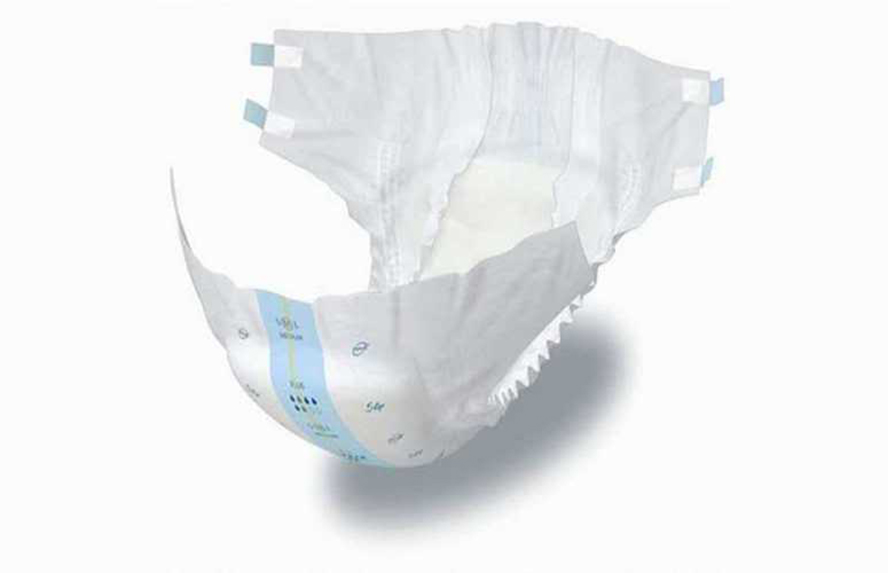
Development History of Nonwoven Fabric in Diapers:
The journey of nonwoven fabric in the diaper industry began in the 1970s when the demand for disposable diapers increased. Previously, traditional woven fabrics were used in cloth diapers, which posed challenges in terms of cleaning, drying, and reusability. Nonwoven fabrics offered a breakthrough solution, as they could be produced directly from fibers without the need for weaving or knitting.
Initially, nonwoven fabrics in diapers were primarily made from synthetic fibers such as polypropylene and polyethylene. These materials provided excellent liquid retention and prevented leakage. As technology advanced, manufacturers started blending different fibers, incorporating superabsorbent polymers (SAPs) to enhance absorbency, and improving overall performance.
Application Status of Nonwoven Fabric in Diapers:
Nonwoven fabrics have revolutionized the diaper industry, leading to significant improvements in comfort, performance, and convenience. Here are some key applications and benefits:
Softness and Breathability: Nonwoven fabrics offer a soft, cloth-like feel, ensuring optimal comfort for babies. The porous structure of these fabrics allows for better air circulation, reducing the risk of skin irritation and diaper rash.
Enhanced Absorbency: The ability of nonwoven fabrics to rapidly absorb and distribute moisture has transformed the effectiveness of diapers. Microscopic pores within the fabric trap liquid, preventing it from leaking, while the SAPs within the fabric can hold multiple times their weight in fluids.
Customized Fit: Nonwoven fabrics can be easily molded into different shapes and sizes, enabling the production of diapers that fit snugly, ensuring leakage prevention and enhancing mobility for active babies.
Wetness Indicators: Some nonwoven fabrics are designed with wetness indicators that change color when the diaper is wet. This feature simplifies the diaper-changing process, helping parents identify when their child needs a diaper change.
Benefits of Nonwoven Fabric in Diapers:
Improved Skin Health: Nonwoven fabrics play a crucial role in promoting better skin health for babies. The soft and breathable nature of these fabrics allows for increased airflow, reducing the likelihood of skin irritation and diaper rash. The fabrics also wick away moisture, keeping the skin dry and minimizing the risk of discomfort and rashes.
Odor Control: Nonwoven fabrics used in diapers often incorporate odor-control technologies. These fabrics contain additives that neutralize and trap unpleasant odors, keeping the diaper area smelling fresh and clean.
Easy Disposal: Nonwoven fabrics have significantly contributed to the convenience of disposable diapers. The lightweight and compact nature of these fabrics make them easy to discard, reducing the hassle of cleaning and washing cloth diapers. This convenience has made disposable diapers a preferred choice for busy parents.
Manufacturing Efficiency: Nonwoven fabrics offer advantages in the manufacturing process of diapers. They can be produced using high-speed automated machinery, allowing for efficient mass production. The ability to mold and shape the fabrics easily enables manufacturers to create diapers with contoured designs that offer a better fit and improved leakage protection.
Absorbency and Leakage Protection: One of the primary benefits of nonwoven fabric in diapers is its exceptional absorbency. The fabric's structure allows for quick absorption and distribution of moisture, preventing leaks and keeping the baby's skin dry. Nonwoven fabrics often incorporate superabsorbent polymers (SAPs), which enhance the fabric's ability to hold significant amounts of liquid, reducing the frequency of diaper changes.
Design Innovations: Nonwoven fabrics offer flexibility in design, allowing for innovative features in diapers. Manufacturers can incorporate stretchable and elastic components into the fabric, ensuring a snug and comfortable fit. Nonwoven fabric can also be treated with lotions or oils to provide additional skin protection and soothing effects.
Eco-Friendly Initiatives: The diaper industry is increasingly focusing on sustainability and reducing its environmental impact. Nonwoven fabrics made from renewable or biodegradable materials are gaining attention. For example, bamboo fibers, which are naturally antimicrobial and biodegradable, are being explored as an eco-friendly alternative in nonwoven fabrics for diapers. Additionally, efforts are being made to develop recycling and composting programs for used diapers, minimize waste, and promote a circular economy.
Hygiene and Safety Standards: Nonwoven fabrics used in diapers undergo rigorous testing to ensure they meet strict hygiene and safety standards. Manufacturers conduct thorough quality control measures to ensure that the fabrics are free from harmful substances and irritants, ensuring the well-being of babies.
Development Prospects of Nonwoven Fabric in Diapers:
The future of nonwoven fabric in diapers is promising, with ongoing research and advancements aimed at addressing various aspects such as sustainability, biodegradability, and improved performance.
Sustainability: As environmental concerns grow, the diaper industry is striving to reduce its ecological footprint. Researchers are exploring the use of renewable and biodegradable materials in nonwoven fabrics, such as bamboo fibers and bio-based polymers. These eco-friendly alternatives aim to minimize waste and promote a circular economy.
Comfort and Performance: Manufacturers are continuously improving nonwoven fabric properties to enhance comfort and performance. Innovations in fabric design and manufacturing techniques are focused on creating thinner, softer, and more flexible fabrics that maintain high absorbency and leakage prevention.
Smart Diapers: The integration of nonwoven fabric with smart technologies presents exciting possibilities. Sensors embedded within diapers can monitor hydration levels, temperature, and even detect urinary tract infections or other health issues, providing valuable insights to parents and caregivers.
Global Reach: The application of nonwoven fabric in diapers extends beyond developed countries. As disposable diaper usage increases in emerging markets, manufacturers are exploring cost-effective production methods and local sourcing of raw materials to cater to a wider customer base.
Conclusion:
Nonwoven fabrics have revolutionized the diaper industry by providing superior comfort, exceptional absorbency, and improved convenience for both parents and babies. The development history of nonwoven fabric in diapers showcases its evolution from traditional woven fabrics to advanced, high-performance materials. With continuous advancements in technology, nonwoven fabrics are poised to shape the future of diapers, driving sustainability, comfort, and customization. As the world becomes more conscious of environmental impact, the diaper industry will continue to innovate, ensuring that nonwoven fabrics align with sustainable practices and offer an optimal solution for the next generation of diapers.


