
 简体中文
简体中文

The construction of non woven fabric plays a crucial role in determining its durability and longevity in diapers. Several factors in the fabric's construction can impact these characteristics:
1. Fiber Type: The choice of fiber used in non woven fabric construction can affect its durability. Synthetic fibers like polypropylene or polyester are commonly used in diaper manufacturing due to their strength, resilience, and resistance to degradation. These fibers provide durability and help the fabric withstand repeated use and washing.
2. Bonding Method: The method used to bond the fibers together influences the fabric's strength and longevity. Various bonding techniques, such as thermal bonding, chemical bonding, or mechanical bonding, are employed in non woven fabric production. The bonding process should ensure that the fibers are securely interconnected, providing sufficient strength to withstand the stresses of diaper use and laundering.
3. Basis Weight: The basis weight refers to the weight of the fabric per unit area. A higher basis weight generally indicates a denser and more robust fabric. Fabrics with a higher basis weight tend to have greater durability and resistance to tearing or stretching. However, excessively heavy fabrics may compromise breathability and comfort, so a balance needs to be struck.
4. Thickness and Density: The thickness and density of the non woven fabric also influence its durability. Thicker fabrics often offer more resilience and resistance to wear and tear. Additionally, a higher density of fibers within the fabric enhances its strength and durability. However, excessively thick or dense fabrics may affect the diaper's flexibility and overall comfort.
5. Finishing Treatments: Finishing treatments applied to the non woven fabric can enhance its durability. Treatments like anti-pilling, anti-static, or antimicrobial finishes can improve the fabric's resistance to abrasion, maintain its appearance, and reduce the growth of bacteria or fungi.
6. Product Design: The design and construction of the diaper itself can also impact the durability of the non woven fabric. Factors such as the arrangement of different layers, the presence of reinforcements or elastic elements, and the overall diaper structure contribute to the fabric's protection and longevity.
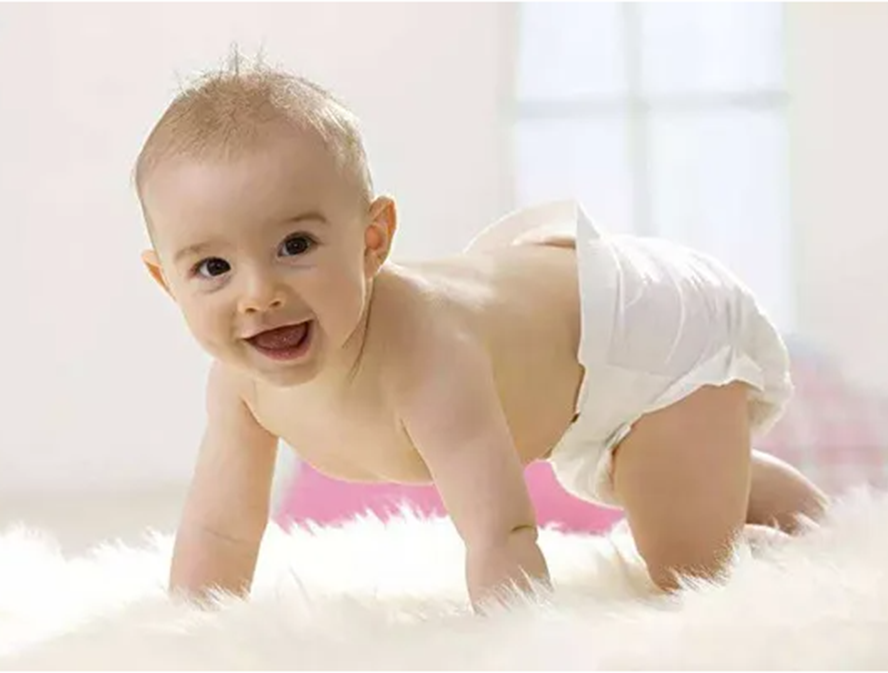
It is important to note that while non woven fabrics used in diapers are designed to be durable and long-lasting, diapers are typically disposable products intended for single-use. Therefore, the durability and longevity of the nonwoven fabric are primarily focused on providing adequate performance during the diaper's usage period, rather than prolonged reuse.
Can non woven fabric in diapers be sourced from sustainable or eco-friendly materials?
Yes, nonwoven materials fabrics used in diapers can be sourced from sustainable or eco-friendly materials. There have been efforts within the industry to develop more environmentally friendly options. Here are a few examples:
1. Biodegradable Materials: Some non woven fabrics used in diapers can be made from biodegradable materials such as plant-based fibers (e.g., bamboo, hemp, or flax) or biopolymers derived from renewable resources. These materials have the advantage of breaking down naturally over time, reducing their environmental impact compared to conventional synthetic materials.
2. Recycled Materials: Nonwoven materials fabrics can be produced using recycled fibers or post-consumer recycled materials. This approach helps reduce the demand for virgin resources and promotes the reuse of materials that would otherwise end up in landfills. By incorporating recycled content, the environmental footprint of the diaper can be reduced.
3. Sustainable Production Processes: Manufacturers can adopt sustainable production processes for nonwoven materials fabric manufacturing. This includes minimizing water usage, energy consumption, and waste generation during production. The implementation of efficient and eco-friendly manufacturing practices can help reduce the environmental impact associated with the production of nonwoven materials fabrics.
4. Certifications and Standards: Certain certifications and standards, such as the Global Organic Textile Standard (GOTS) or the Forest Stewardship Council (FSC) certification, can ensure that nonwoven fabrics used in diapers meet specific environmental and social criteria. These certifications provide assurance that the materials are sourced sustainably and produced using environmentally responsible practices.
It's important to note that the availability and use of sustainable or eco-friendly nonwoven fabrics in diapers may vary depending on manufacturers and regional markets. While progress has been made in developing more sustainable options, the widespread adoption of these materials may still be evolving. Consumers interested in eco-friendly diapers can look for products that explicitly highlight their use of sustainable or environmentally friendly materials and verify any associated certifications or claims.
Yizhou is a non woven material supplier specializing in the production of fabrics for diapers and focuses on meeting the specific requirements of the diaper manufacturing industry. We have in-depth knowledge and expertise in producing nonwoven fabrics that are suitable for use in diapers, ensuring optimal performance, comfort, and functionality. We utilize advanced manufacturing technologies and machinery to produce nonwoven fabrics with consistent quality and uniformity. We have expertise in selecting and blending different types of fibers to achieve the desired properties, such as using synthetic fibers like polypropylene or polyester for strength and absorbency. Quality control is of paramount importance to Yizhou. We adhere to stringent quality standards throughout the production process to ensure the fabrics meet industry regulations and our customers' expectations. Additionally, Yizhou prioritizes sustainability. We offer eco-friendly options by incorporating recycled fibers or utilizing biodegradable materials in their fabric production. We strive to minimize their environmental impact by implementing sustainable manufacturing practices, such as reducing energy consumption and waste generation.
The spunbond nonwoven fabrics produced by Yizhou find applications in various sectors, including hygiene products like diapers and feminine care products, medical and healthcare products, agriculture, geotextiles, filtration, packaging, and more. Nonwoven fabrics can be customized to exhibit different properties such as softness, breathability, absorbency, and strength, depending on the intended use. We emphasize the importance of quality control and compliance with international standards. Many of them have obtained certifications such as ISO 9001 (quality management system), ISO 14001 (environmental management system), and Oeko-Tex Standard 100 (product safety) to ensure the reliability and safety of their products.
Furthermore, Yizhou often caters to both domestic and international markets, exporting our products to various countries around the world. We offer competitive pricing, efficient logistics, and reliable customer service to meet the demands of global customers.


