
 简体中文
简体中文

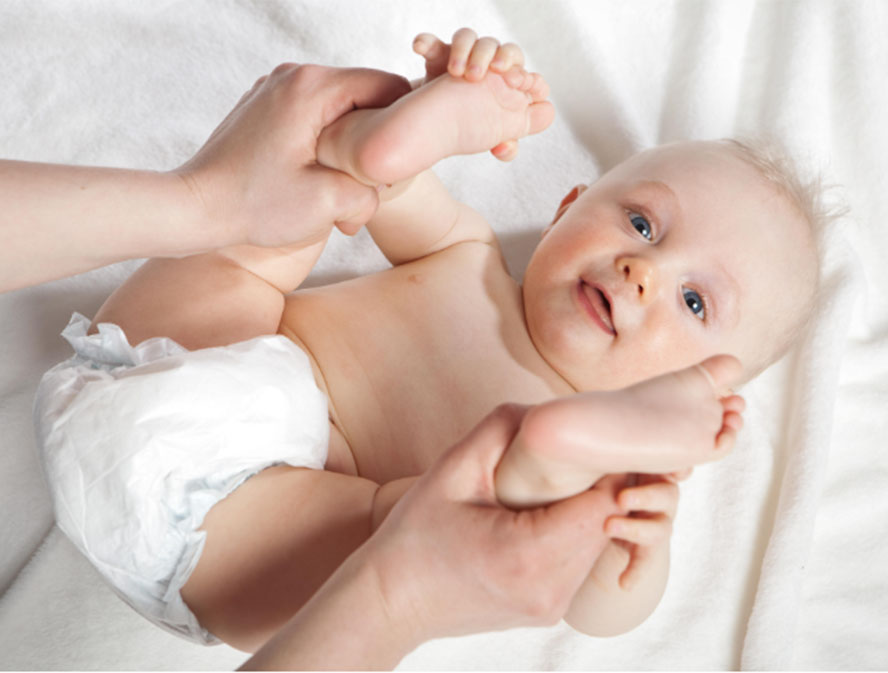
What is nonwoven fabric, and why is it commonly used in diaper manufacturing?
Nonwoven fabric is a type of fabric that is produced by bonding or interlocking fibers together using mechanical, chemical, or thermal processes, without the need for weaving or knitting. Unlike traditional woven fabrics, nonwoven fabrics are made directly from fibers or filaments, which are then bonded together to form a cohesive structure.
Nonwoven fabrics are commonly used in diaper manufacturing for several reasons:
1. Absorbency: Nonwoven fabrics can be designed to have high absorbency, which is a crucial property for diapers. The fabric can quickly draw moisture away from the baby's skin, keeping it dry and reducing the chances of irritation and diaper rash.
2. Softness: Nonwoven fabrics can be manufactured to have a soft and gentle texture, making them suitable for use against sensitive baby skin. The absence of interwoven fibers eliminates the roughness or potential for snagging associated with woven fabrics.
3. Breathability: Diapers need to be breathable to allow air circulation and prevent excessive heat and moisture buildup, which can lead to discomfort and skin irritation. Nonwoven fabrics can be engineered to provide the desired level of breathability while still maintaining their absorbent properties.
4. Cost-effectiveness: Nonwoven fabrics can be produced at a lower cost compared to traditional woven fabrics. The manufacturing process is generally simpler and requires fewer resources, resulting in a more economical choice for diaper production.
5. Customizability: Nonwoven fabrics offer a high degree of versatility in terms of design and functionality. They can be engineered to have varying levels of thickness, density, and strength, allowing manufacturers to customize diapers to meet specific performance requirements.
6. Production efficiency: Nonwoven fabrics can be produced in roll form, enabling high-speed and continuous manufacturing processes. This efficiency is particularly important in the mass production of diapers, where large volumes need to be manufactured rapidly.
7. Hygiene and Sterility: Nonwoven fabrics can be produced in a controlled and sterile environment, which is important for products like diapers that come into direct contact with a baby's sensitive skin. The production process can be designed to ensure cleanliness and minimize the risk of contamination.
8. Environmental Considerations: Some nonwoven fabrics used in diapers can be made from recycled materials or incorporate biodegradable components, making them more environmentally friendly compared to certain types of woven fabrics. This aspect aligns with the growing demand for sustainable and eco-friendly diaper options.
9. Flexibility and Conformability: Nonwoven fabrics are flexible and can conform to the baby's body contours, providing a secure and comfortable fit. This characteristic ensures that the diaper stays in place and reduces the likelihood of leaks or discomfort.
10. Strength and Durability: Nonwoven fabrics can be engineered to have sufficient strength and durability to withstand the rigors of diaper use. They can resist tearing, stretching, and bursting, maintaining their structural integrity even when wet.
11. Liquid Distribution: Nonwoven fabrics can facilitate the even distribution of liquids, such as urine, within the diaper. This property ensures that the liquid is spread out and does not accumulate in one area, enhancing the overall effectiveness of the diaper's absorbency and reducing the risk of leaks.
Overall, nonwoven fabrics provide a combination of performance, comfort, and cost-effectiveness that makes them well-suited for use in diaper manufacturing. Their absorbency, softness, breathability, customizability, and production efficiency contribute to their widespread use in the industry.
What are the different types of nonwoven fabrics used in diaper production, and how do they differ in performance?
There are several different types of nonwoven fabrics used in diaper production, each with its unique characteristics and performance attributes. The main types include:
1. Spunbond Nonwoven Fabric: Spunbond fabrics are made by extruding continuous filaments of synthetic fibers, such as polypropylene or polyester, and then bonding them together. They offer excellent strength, durability, and uniformity. Spunbond fabrics are commonly used as the outer layer of diapers, providing structural support, strength, and resistance to tearing.
2. Meltblown Nonwoven Fabric: Meltblown fabrics are produced by extruding molten thermoplastic fibers and blowing them with hot air to form a fine web of randomly oriented fibers. They are known for their high filtration efficiency and fine fiber structure. Meltblown fabrics are often used as the middle layer in diapers, acting as a filtration and absorption layer that captures and retains liquid while allowing airflow.
3. SMS Nonwoven Fabric: SMS stands for Spunbond-Meltblown-Spunbond, which is a composite nonwoven fabric made by combining layers of spunbond and meltblown fabrics. The outer layers are typically spunbond, providing strength and durability, while the inner meltblown layer offers enhanced filtration and absorption capabilities. SMS fabrics are widely used in diapers to provide a balance of strength, fluid management, and breathability.
4. Air-through Nonwoven Fabric: Air-through fabrics are designed to have a three-dimensional structure with open channels or perforations. This allows air to circulate more freely through the fabric, promoting breathability. Air-through fabrics are often used as the top layer of diapers, facilitating quick moisture absorption and reducing the risk of skin irritation.
5. Composite Nonwoven Fabric: Composite nonwoven fabrics are made by combining different types of nonwoven materials to leverage their individual properties. For example, a composite fabric may have a layer of spunbond fabric on one side for strength and a layer of meltblown fabric on the other side for enhanced absorption. These fabrics offer a combination of desirable characteristics from multiple types of nonwoven fabrics.
The performance of these different nonwoven fabrics in diapers can vary based on their specific properties. Some factors that impact their performance include absorbency, softness, breathability, strength, durability, and fluid distribution. Manufacturers carefully select and combine these fabrics to achieve the desired balance of absorbency, comfort, leakage protection, and overall performance in diapers. The specific design and construction of the diaper, including the arrangement of these nonwoven fabrics, contribute to its overall effectiveness in terms of fit, absorbency, and containment.
China is known for being a major producer of spunbond nonwoven fabric, with several manufacturers specializing in its production. Yizhou is a senior China spunbond nonwoven fabric manufacturer that is recognized for its extensive production capabilities and cost-effective solutions. We often employ advanced machinery and technology to ensure efficient and high-quality fabric production. We offer a wide range of options in terms of fabric weight, thickness, width, and colors to meet the specific requirements of different industries.


